A Guide To Personal Training Questionnaires For New Clients
The first session with a new client always brings a mix of energy and curiosity. Some people walk into the gym excited and ready to start working. Others arrive feeling slightly nervous as they glance around at unfamiliar equipment. A few come in with ambitious plans to transform their bodies as quickly as possible. Before
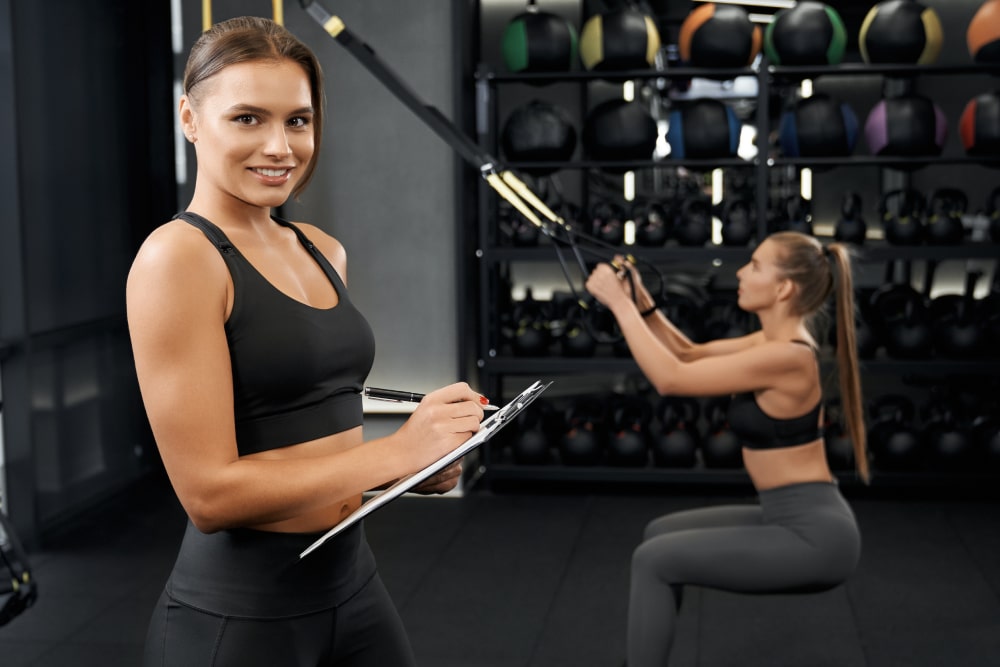
The first session with a new client always brings a mix of energy and curiosity. Some people walk into the gym excited and ready to start working. Others arrive feeling slightly nervous as they glance around at unfamiliar equipment. A few come in with ambitious plans to transform their bodies as quickly as possible.
Before any workouts begin, experienced trainers take a step back and start asking questions. Well-designed personal training questionnaires for new clients reveal important details about motivation, concerns, and expectations. These insights help trainers understand the journey the client hopes to begin.
Skipping this step can leave a trainer guessing. Designing a program without background information feels like cooking dinner without knowing which ingredients are available. Once the right information is gathered, the trainer can build a program that truly fits the person standing in front of them.
Learning how to gather and interpret this information is a skill many trainers begin developing during their personal fitness training education.
Think of the Questionnaire as a First Conversation
Many trainers treat questionnaires as simple paperwork. They hand them to a client, collect the answers, and move on. That approach overlooks the real purpose of the process.
A thoughtful questionnaire works as the opening chapter of a client’s story. It gives trainers a clearer view of daily habits, personal goals, and previous experiences with exercise.
Certain clients may have spent years training in gyms before losing consistency, while others may be entering a workout environment for the first time. These differences influence how a training program should begin.
Carefully reviewing personal training questionnaires for new clients helps trainers see the person behind the goal. That deeper understanding leads to more thoughtful coaching decisions.
Start with the Basics, But Make Them Count
Every questionnaire begins with basic information such as name, age, occupation, and contact details. These details seem simple at first, yet even small pieces of information can reveal meaningful insights about a client’s daily life and habits.
A client who spends long hours working at a desk may struggle with tight hips, reduced mobility, poor posture, and limited daily movement. Someone with a physically active job may already move frequently throughout the day but lacks structured strength training.
Occupation alone can influence how a training program develops. Understanding a client’s daily routine also helps determine realistic workout schedules. Frequent work travel may call for a flexible training plan rather than rigid programming that becomes difficult to maintain.
Health History Deserves Careful Attention
Health history reveals past injuries, surgeries, physical limitations, and medical conditions that may influence training decisions. A client recovering from a shoulder injury may require alternative pressing exercises. Someone experiencing knee discomfort might benefit from gradual lower-body progressions before increasing intensity.
Early awareness of these details leads to safer and more effective workouts. Clients also feel reassured when their trainer carefully reviews their physical background. This attention communicates that their well-being matters just as much as visible results.
Learning how to review health history and movement limitations properly is part of becoming a well-rounded trainer. Many advanced personal training education programs spend significant time teaching future coaches how to assess clients safely before designing workouts.
Explore Fitness Goals in Greater Detail
Almost every client arrives with a familiar statement about what they want to achieve.
“I want to lose weight.”
“I want to build muscle.”
“I want to get back in shape.”
These goals act as a starting point, but they rarely reveal the full story. A thoughtful questionnaire includes follow-up questions that explore the motivation behind those goals.
Questions about timing often reveal important context. What inspired the decision to begin training now? What would success look like several months from today? Answers to these questions can be surprisingly revealing.
One client may want to regain confidence after years away from exercise. Another may be preparing for a major life event or focusing on improving overall health. Training plans become far more effective when they connect with personal motivation.
Learn About Past Fitness Experiences
Past experiences often explain present attitudes toward fitness. Some clients arrive with years of experience lifting weights or participating in sports. Others may have tried fitness programs before but struggled to maintain consistency.
A questionnaire that explores exercise history can reveal valuable clues. Trainers may learn what types of workouts the client tried previously, which ones they enjoyed, and what factors caused them to stop.
These insights help trainers avoid repeating past frustrations. A client who dislikes high-intensity group classes might respond better to a calmer strength-focused training style.
Lifestyle Habits Matter More Than You Think
Fitness rarely develops in isolation. Sleep patterns, stress levels, nutrition habits, and daily movement all influence how the body responds to training. A questionnaire that explores these areas creates a clearer picture of the client’s lifestyle and the factors that may affect their progress.
A client who sleeps only five hours each night may struggle with energy levels and recovery. Someone working in a highly stressful environment may respond better to workouts that feel refreshing rather than physically draining.
Even simple questions about hydration, work schedules, or daily activity can reveal habits that shape training results over time. These insights help trainers understand the environment in which their clients are trying to build healthier routines.
Invite Honest Answers with Open Questions
Multiple-choice questions gather useful background information, but open-ended questions often reveal deeper insights. Asking a client to describe their biggest fitness challenge in the past can lead to meaningful discussion.
Clients often describe different challenges when reflecting on past fitness efforts. Time constraints frequently appear as a reason why consistency became difficult. Loss of motivation or discomfort in gym environments can also surface during these conversations. These responses help trainers gain a clearer understanding of the obstacles their clients have faced.
As the conversation develops, the questionnaire begins to feel less like paperwork and more like a dialogue. Clients feel heard and understood, while trainers gain a valuable perspective on how to guide them more effectively.
Turn Answers into a Personalized Plan
The true value of a questionnaire becomes clear once the responses are reviewed carefully. Each answer contributes to the structure of the training program. Goals influence exercise selection, health history shapes movement choices, and lifestyle habits help determine realistic training frequency.
Trainers refine these abilities through experience and continued study of exercise science, program design, and client assessment. Strong training education helps coaches transform simple questionnaire responses into thoughtful programs designed for the individual rather than a generic routine.
Build the Coaching Skills That Set Great Trainers Apart
Client questionnaires start the conversation, but great trainers turn those insights into structured programs that build strength, confidence, and long-term progress. National Personal Training Institute of Florida (NPTI) teaches aspiring coaches how to develop these practical skills.
Our ACCSC-accredited diploma programs combine classroom education with 218 hours of hands-on training inside a real gym, covering anatomy, nutrition, exercise science, and client assessment. Students train through a comprehensive 600-hour curriculum designed to prepare them for real-world personal training careers.
With campuses in Orlando and Tampa and flexible participation through our HyFlex program, you can build professional coaching skills while balancing your schedule. If you’re ready to turn your passion for fitness into a career helping others succeed, apply now. We’re ready to train you.