
Strength Training For Youth: A Safety Guide For Personal Trainers
Introducing children to strength training for youth can be highly beneficial when approached safely and effectively. Young athletes gain improvements in muscular strength, endurance, coordination, and confidence. Personal trainers who use age-appropriate strategies can help children develop basic movement patterns while minimizing injury risk. Proper planning and supervision are imperative to create positive experiences that
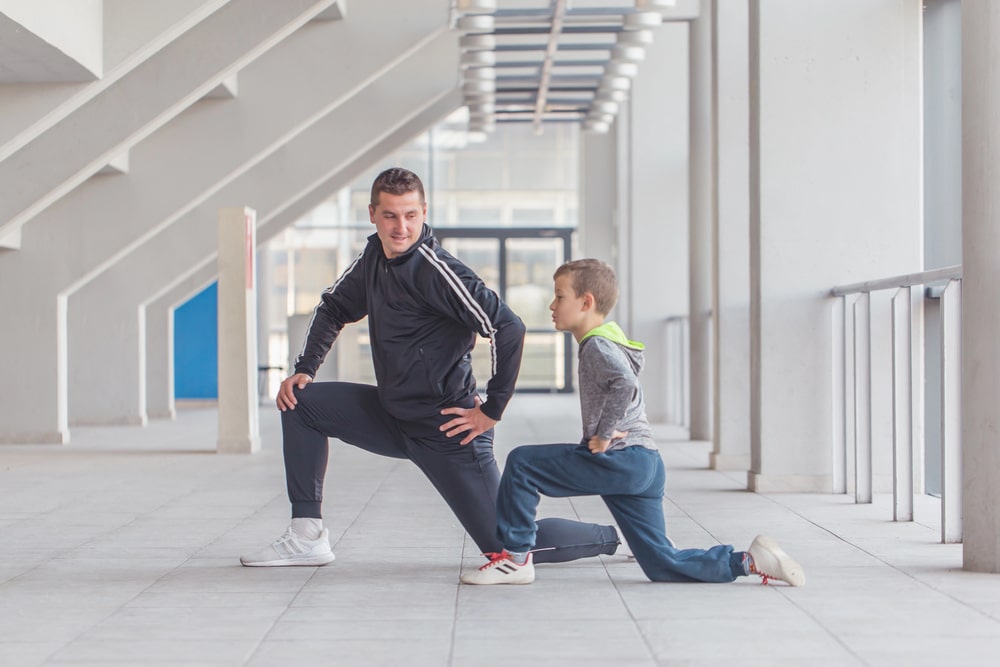
Introducing children to strength training for youth can be highly beneficial when approached safely and effectively. Young athletes gain improvements in muscular strength, endurance, coordination, and confidence.
Personal trainers who use age-appropriate strategies can help children develop basic movement patterns while minimizing injury risk. Proper planning and supervision are imperative to create positive experiences that encourage lifelong participation in youth fitness training.
Benefits of Strength Training for Young Athletes
Structured strength programs assist overall physical development. Children improve posture, balance, and flexibility through focused exercises. Strength training also supports sports performance by building core stability, power, and coordination.
Mental benefits include increased focus, discipline, and self-confidence. Personal versed in personal fitness training principles can design programs that develop these attributes while keeping sessions fun and interesting for kids.
Early exposure to safe strength practices encourages healthy habits. Children learn proper lifting techniques and body awareness that carry into adolescence and adulthood.
Trainers who introduce progressive exercises cultivate skills that can reduce the likelihood of injury during sports participation. Programs that emphasize technique over heavy loads prioritize long-term benefits over short-term performance.
- Age-Appropriate Guidelines
For children under 12, training should focus on strength training for 8-year-olds and above. Sessions should emphasize bodyweight exercises, resistance bands, medicine balls, and light dumbbells. Exercises should target all major muscle groups while maintaining variety and enjoyment.
Repetitions should be moderate, allowing children to practice proper form without overloading joints or connective tissue.
Trainers must adjust intensity according to developmental stage. Prepubescent youth benefit most from higher repetitions with lower resistance, while adolescents can safely incorporate heavier weights as their musculoskeletal system matures.
Programs should always progress gradually, focusing on movement quality before increasing load. This approach protects growing bodies while teaching basic strength principles.
- Exercise Selection and Technique
Selecting exercises that reinforce proper mechanics is vastly important when it comes to strength training for youth. Squats, lunges, push-ups, planks, and overhead presses with light weight teach basic movement patterns and coordination.
Resistance bands or bodyweight options allow trainers to focus on controlled execution rather than maximal output. Trainers can monitor posture and breathing to build solid movement habits.
Trainers pursuing a personal training specialist designation may also look into advanced corrective techniques to adapt exercises for individual needs.
Proper instruction prevents compensation patterns and helps young clients develop symmetrical strength. Using visual and verbal cues engages children and reinforces learning while maintaining safety.
- Frequency And Session Structure
Younger children benefit from 2–3 sessions per week lasting 20–40 minutes. Adolescents can gradually progress to 3–4 sessions per week. Warm-ups should include dynamic mobility exercises, light cardio, and movement preparation.
Cool-downs can involve stretching, balance drills, and fun games that reinforce coordination. Well-structured sessions provide adequate recovery between training days, preventing overuse injuries and promoting consistent progress.
Trainers should emphasize gradual progression. Load, repetitions, and complexity should increase in line with skill mastery.
Tracking improvements in strength, balance, and technique allows trainers to measure development and maintain motivation. Progress should feel attainable to keep young clients interested and confident.
Common Safety Considerations
Safety is central to strength training for youth. Personal trainers must maintain constant supervision and adjust exercises based on ability, attention span, and energy levels. Equipment should be age-appropriate, well-maintained, and sized for smaller bodies.
Trainers should educate children about proper breathing, posture, and movement control to reduce injury risk. Monitoring fatigue is equally important. Trainers can prevent overtraining by recognizing signs of tiredness, lack of focus, or discomfort.
Exercise selection should allow for breaks, variation, and games that reinforce movement patterns without pushing maximal loads. Encouragement, clear instruction, and positive reinforcement create a supportive environment that keeps training safe and enjoyable.
Progression and Long-Term Development
Long-term development is a goal in youth strength programs. Trainers should try for gradual increases in resistance, complexity, and session duration. Skill-based accomplishments (such as mastering a push-up or performing a squat with proper form) help children and parents visualize progress.
By building confidence in movement, trainers encourage enthusiasm for continued participation in youth fitness training.
Adapting programs to individual interests and goals is effective. Some children respond well to team-based challenges or partner exercises, while others prefer solo, skill-focused activities.
Offering a selection of exercises helps maintain enjoyment and focuses on different aspects of physical development. Trainers who adjust sessions to the child’s growth and abilities create sustainable fitness habits.
The Job of Personal Trainers
Trainers are highly influential in introducing children to structured exercise. They act as educators, motivators, and role models. Instructing with clear communication, patience, and empathy allows young clients to absorb concepts while having fun.
Personal trainers trained in both general personal fitness training and youth-specific methods can guide children through safe, progressive programs that boost performance, reduce injury risk, and promote a love for physical activity.
Programs that incorporate hands-on experience, observation, and mentorship prepare trainers for these responsibilities. Graduates of respected personal trainer certification schools leave ready to design, monitor, and adjust youth programs confidently.
Trainers who master these skills contribute positively to the next generation of active, healthy individuals.
How NPTI Florida Prepares Trainers for Youth Fitness
NPTI Florida teaches students how to deliver safe, effective strength training for youth. Our curriculum combines classroom learning, hands-on labs, and mentorship to develop skills in personal fitness training, advanced personal fitness training, and specialty coaching.
Graduates know how to structure age-appropriate programs, monitor technique, and adapt exercises for developing bodies.
As a licensed and accredited, veteran-owned and staffed, military-trusted school, we prepare trainers to meet the highest professional standards. Students gain confidence in instructing youth, applying knowledge safely, and creating positive experiences that encourage long-term involvement in fitness.
If you have any questions about NPTI Florida, please contact us.